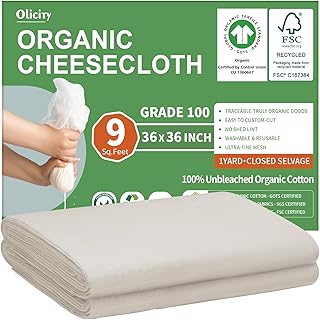
For centuries, a simple, unassuming fabric has been a silent workhorse in kitchens, dairies, and craft rooms around the world. That fabric is cheesecloth. Far more than just a tool for making cheese, this versatile cotton mesh is a multi-purpose essential that every home cook, DIY enthusiast, and crafter should have in their arsenal. Its unique open-weave structure makes it perfect for tasks that require both filtration and breathability.
What is Cheesecloth and Why is it So Useful?
At its core, cheesecloth is a lightweight, gauzy cotton fabric with a loose, open weave. This design is intentional. The spaces between the threads allow liquids to pass through while trapping solids, making it an ideal straining medium. But its uses extend far beyond the colander. From bundling herbs for a bouquet garni to polishing silver and creating special effects in Halloween costumes, the applications are nearly endless. Its food-safe, natural cotton composition means it can come into direct contact with ingredients without imparting any unwanted flavors or chemicals, especially when you choose unbleached varieties.
Understanding Cheesecloth Grades: The Key to Choosing Right
Not all cheesecloth is created equal. It is categorized by "grades" that indicate the thread count and density of the weave. The grade number corresponds to the number of threads per inch in each direction. A higher grade means a tighter, finer weave.
Grade 100 is the finest and densest, often called "butter muslin." It's perfect for straining very fine particles, like when making yogurt, clarifying butter, or creating super-smooth nut milks. Products like the Cotton Farm Grade 100 XL Cheese Cloth exemplify this ultra-dense quality, ensuring nothing slips through. For a comprehensive look, you can read our Grade 100 Cheesecloth Ultimate Guide.
Lower grades (like 60, 50, or 40) have a more open weave. They are excellent for tasks like wrapping a turkey for roasting, making farmer's cheese where you want some curd texture to remain, or bundling herbs. The GoodCook Everyday 100% Cotton Cheesecloth is a popular bleached option that works well for many general kitchen tasks.
Top Uses for Your Kitchen Cheesecloth
The primary domain of cheesecloth is, unsurprisingly, the kitchen. Here are some of its most valuable applications:
Straining & Juicing: This is its classic use. Strain homemade yogurt to make Greek yogurt, separate curds from whey in cheesemaking, or clarify stocks and broths for a crystal-clear consommé. For juicing, it's perfect for extracting every last drop from fruit or vegetable pulp without letting sediment through. A 6-Pack of precut, hemmed cloths is ideal for these frequent tasks.
Cooking & Baking: Use it to make a sachet for spices and herbs that can be easily removed from a soup or stew. It's also famously used to wrap and baste a turkey, keeping the breast meat moist while allowing the skin to crisp. For bakers, it's great for draining thawed frozen spinach or creating cheesecloth-proofing couches for sourdough.
Cheesemaking: This is where it gets its name. Different grades are used for different cheeses. A fine Grade 100 cheesecloth is essential for soft cheeses like ricotta or paneer, while a more open weave might be used for draining harder cheese curds. For serious hobbyists, an Organic, GOTS Certified cloth offers peace of mind for organic cheesemaking.
Beyond the Kitchen: Creative and Practical Crafts
Cheesecloth isn't confined to culinary uses. Its texture and drape make it a favorite in the crafting world.
DIY & Decor: It can be dyed and used for ghost costumes, as a base for floral arrangements, or to create rustic-looking gift wrapping. Its ability to hold shape when stiffened makes it perfect for making lightweight lampshades or decorative bowls.
Cleaning & Polishing: Its lint-free quality (especially when pre-washed) makes it excellent for polishing glass, mirrors, and car windows to a streak-free shine. It's also gentle enough for polishing silver.
How to Choose the Best Cheesecloth for You
With so many options, selecting the right one can be simple if you consider a few key factors:
- Grade: Match the grade to your task. For fine straining, go with Grade 90 or 100. For general kitchen use, Grade 60-80 is versatile.
- Material: 100% cotton is standard. Choose unbleached for direct food contact to avoid any chemical residues. Bleached cloths are often whiter and may be preferred for crafts.
- Size & Precut: Do you need a large piece for wrapping a turkey or multiple small, reusable squares? Precut packs like the High-Grade 100 Cheesecloth 6-Pack or the 12Pcs Reusable Cheese Cloths offer incredible convenience.
- Edges: Hemmed or serged edges (like those on the 6 Pcs Cheese Cloths with Hemmed Edge) prevent fraying, making the cloths more durable and reusable.
- Certifications: For the most natural option, look for organic certifications like GOTS, as found in some premium cloths.
For a deeper dive into making the perfect selection, our Ultimate Guide to Cheesecloth covers all these points in detail.
Care and Reusability: Getting the Most from Your Cloth
One of the greatest benefits of quality cotton cheesecloth is its reusability. After use, simply rinse it under cold water to remove most food particles, then wash it in warm, soapy water. You can machine wash it in a lingerie bag on a gentle cycle. Avoid using fabric softener, as it can clog the pores of the weave. Hang to dry or tumble dry low. With proper care, a good reusable cheesecloth can last for many, many uses, making it an economical and eco-friendly choice. Brands like MAJESTIC CHEF are built for this kind of repeated use.
In conclusion, cheesecloth is a humble yet profoundly useful tool. Whether you're clarifying butter, crafting a Halloween decoration, or embarking on a home cheesemaking project, having the right grade and type on hand opens up a world of possibilities. By understanding its grades and features, you can confidently select a product like the Mostdream 10-pack or the Precut 4-pack that will serve you well for years to come.